How Can Local Residents Keep Track of Multiple Medications?
Managing several prescriptions is common for many seniors in Cheektowaga, NY. The simplest way to stay organized is to create and maintain an up-to-date medication list. This should include the medication’s name, dosage, time of day to take it, and the prescribing doctor.
It's helpful to:
- Use a notebook or a printable medications chart stored in a visible place, like on the fridge.
- Update the list often—whenever there’s a change, addition, or removal.
- Share the list with trusted family members or caregivers as well as healthcare providers during appointments.
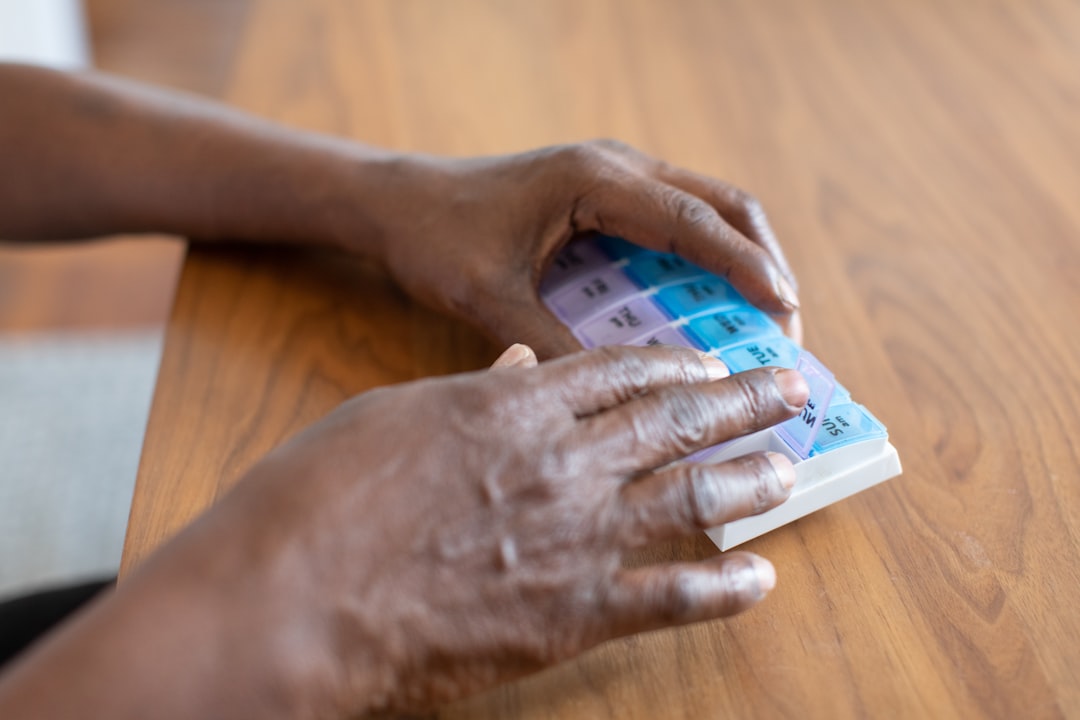
Many area households use pill organizers, which separate doses by day and time. This can reduce confusion and help prevent missed or doubled doses—an especially helpful safeguard during the long winters when going out to refill or replace medicine might be difficult.
What Should You Ask During Doctor or Pharmacy Visits?
Clear communication with medical providers in Cheektowaga supports safe medication use. Before leaving a provider’s office or pharmacy, it’s wise to ask questions such as:
- What is this prescription for, and how does it interact with current medications?
- How and when should each one be taken?
- Are there foods, drinks, or over-the-counter products that should be avoided?
- What side effects should you watch for, and when do they warrant seeking medical help?
Area pharmacies can print medication information sheets, but those sheets can be dense. Take time to read them at home and ask for clarification when something isn’t clear. Bringing along a friend or family member to appointments during busy or stressful times can help make sure nothing important is missed.
What If a Dose Is Missed or Taken Incorrectly?
If a senior misses a scheduled dose or accidentally takes too much, don’t panic. The first step is to read the prescription label and any instructions that came with the medication. Many medications have safe ways to handle a missed or late dose, but some (like blood thinners or insulin) require special care.
In Cheektowaga’s changing climate, a power outage or snowstorm could lead to missed doses if routines are disrupted. It helps to have a written plan for what to do in these situations, ideally one discussed with a healthcare provider in advance.
When in doubt, call the pharmacy or the prescribing clinic—local healthcare providers are used to such questions and can give specific recommendations based on the individual's health.
How Should Prescriptions Be Stored in Area Homes?
Proper storage keeps medications effective and out of reach of children and visitors. Most prescription bottles do best at room temperature, away from direct sunlight and excessive humidity. In the city’s older homes, bathrooms may seem convenient but often get too damp—consider storing medications in a bedroom or kitchen cabinet instead.
During hot summers or cold winters, do a seasonal check to make sure bottles aren't exposed to temperature extremes, especially if left in a car or unheated area. Use locked boxes if there are safety concerns about visitors or grandchildren in multi-generational homes.
What to Do With Expired or Unused Medications?
Keep prescriptions current and reduce risks by regularly checking expiration dates. Discard unused or old medications safely—flushing them or tossing them in the trash is discouraged, as these methods can impact local waste and water systems. Cheektowaga offers community medication take-back days at designated drop-off sites through the local police department or public agencies. Look for published dates or call municipal offices for drop box locations. If immediate disposal is needed, mix the medication with something undesirable (like used coffee grounds) in a sealed bag before tossing it in household trash, as suggested by public health guidelines.
How Can Medication Changes Be Communicated in Care Settings?
Whether recovering at home after a hospital stay or settling into a new care facility in Cheektowaga, medication lists can change quickly. Always document any changes, including temporary antibiotics or short-term pain relief prescriptions. Share up-to-date information with all caregivers and home health aides. If multiple providers are involved, such as a primary care doctor and a specialist, inform each about all prescribed medicines to prevent dangerous interactions.
What Are Common Misconceptions About Prescription Safety?
Some local residents believe that over-the-counter remedies are always safe to mix with prescriptions, but certain products (such as common cold medicines or herbal supplements) can cause side effects or reduce the effectiveness of prescribed treatments. Another misconception is that splitting or crushing pills is safe. Some medications must be taken whole to work properly or avoid stomach irritation; always check with a pharmacist first. Finally, sharing medications between family members—even for seemingly harmless pain relief—can lead to health risks or legal issues.
Seasonal and Local Factors That Affect Medication Management
Cheektowaga’s distinct seasonal shifts affect routines. Snowy winters may limit mobility, making it important to plan prescription refills ahead of storms. Hot, humid summers require double-checking that medications aren’t left in warm cars or near open windows. Local transit options and accessible pharmacies can help with timely refills, but some households may benefit from mail-order pharmacy services—discuss options with providers, especially when winter conditions make travel difficult for seniors.
Residents should also remember to bring medication lists to local emergency rooms or urgent care clinics, as this ensures hospital staff can give the safest possible care.