Why Do Hobbies and Activities Matter for Seniors in Cheektowaga, NY?
Hobbies and organized activities play a critical role in supporting older adults’ health, happiness, and connection to others. Many local residents ask how staying mentally and physically engaged benefits seniors beyond simply “passing the time.” The answers are rooted in both medical research and the realities of everyday life in Cheektowaga.
Engaging in hobbies helps maintain cognitive skills, strengthens emotional health, and can even reduce the risk of chronic illnesses. These meaningful pursuits fill more than idle hours—they offer a sense of identity, community, and joy, which are essential as people age.
What Practical Benefits Do Seniors Experience from Staying Active?
Seniors in the area see genuine, day-to-day improvements when they have regular opportunities for leisure and personal growth. Key benefits include:
- Improved mood: Activities like crafting, music, and games stimulate the brain’s reward centers and can ease depression or loneliness.
- Mental sharpness: Puzzles, reading, and learning new skills help keep minds agile, supporting memory and problem-solving.
- Physical activity: Gardening, walking clubs, and gentle exercise classes enhance mobility, balance, and strength, reducing fall risk.
- Sense of purpose: Having goals or projects fosters accomplishment and boosts self-esteem.
- Routine and structure: Participating in recurring activities or groups helps seniors mark time and maintain daily routines, something especially valuable during long winters or periods of isolation.
In Cheektowaga, where weather can limit outdoor opportunities for much of the year, diverse indoor hobbies make it easier for older adults to remain engaged all four seasons.
How Do Hobbies Support Social Connections Among Seniors?
Social interaction is a vital part of wellbeing for older adults. Group hobbies—such as book clubs, dance, or card games—help local seniors build and maintain friendships. Participating in activities with neighbors or relatives often leads to:
- Greater resilience against isolation, which is a known health risk in older populations.
- Opportunities to share skills or learn from others’ experiences.
- Emotional support networks that become especially important during family transitions or after retirement.
Some local households organize informal get-togethers around shared interests, such as puzzle exchanges or storytelling nights, while others join more structured groups in the community. Even when venturing outside is challenging, phone-based or online interest groups can help fill social gaps.
What Kinds of Activities Work Best for Seniors in This Community?
Variety matters. The right hobby depends on personal interests, physical ability, and access. In Cheektowaga, many seniors gravitate towards activities that fit well with local resources and seasonal patterns, such as:
- Indoor gardening: Container plants and window herb gardens thrive in homes, apartments, and senior residences during colder months.
- Crafting: Knitting, crocheting, or woodworking projects suit both individuals and small groups—perfect for cozy indoor settings.
- Walking and chair exercise: Local parks offer accessible paths in warmer weather, while walking clubs in indoor malls or community rooms provide safe year-round movement.
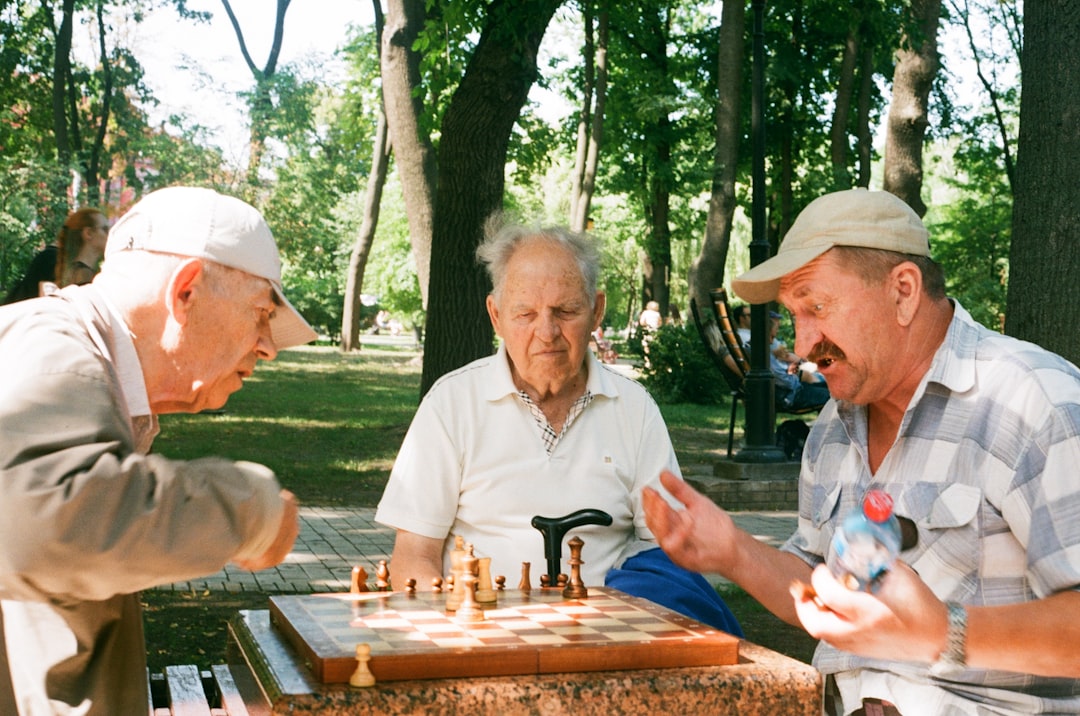
- Board games and cards: Games are a flexible way to enjoy company and lighthearted competition without needing special equipment.
- Music and singing groups: Sharing favorite songs or learning instruments provides cognitive exercise and fosters joyful togetherness.
Many people mistakenly believe only physically demanding hobbies are worthwhile, but intellectual, creative, and social pastimes are just as valuable—sometimes more so, especially for those with limited mobility.
Are There Common Barriers to Participation, and How Can They Be Overcome?
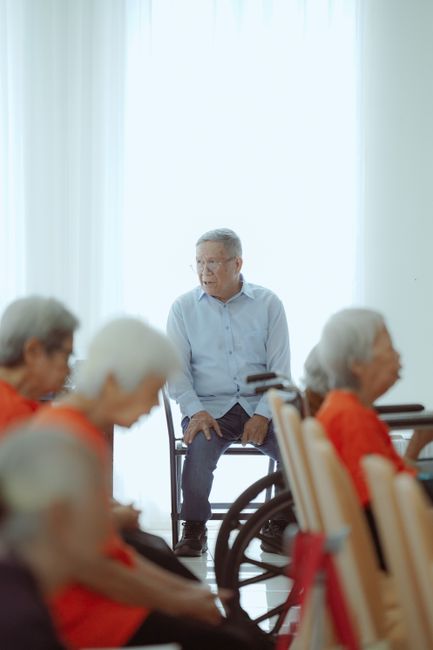
Some seniors face hesitations or challenges, such as limited transportation, worries about trying new things, or health conditions that affect stamina or confidence. Here’s how local families and neighbors often help address these barriers:
- Choosing activities that fit current abilities, not past ones—modifying as needed for comfort or safety.
- Encouraging the smallest steps, such as joining a group for just a half-hour or starting with one new craft project.
- Offering rides or arranging carpooling, especially in winter months.
- Exploring virtual classes or video calls for those who cannot easily leave home.
The sense of belonging and accomplishment that comes from joining in usually outweighs initial reluctance.
How Can Families and Friends Support Seniors in Pursuing Hobbies?
Relatives and neighbors play a meaningful role in encouraging participation:
- Asking about past interests or talents and helping rekindle old passions.
- Sharing activities together—this could mean baking a favorite recipe, solving crossword puzzles, or learning a new dance.
- Providing supplies for low-cost hobbies, or helping to set up necessary tools at home.
- Respecting the individual’s choices, recognizing that hobbies are personal and may change over time.
Checking in regularly about what brings joy, fulfillment, or new challenges helps keep interests evolving.
What Do Experts Say About the Long-Term Impact of Hobbies and Activities?
Research shows that regular engagement in hobbies and recreational activities can contribute to improved cognitive health, better sleep, and even reduced risk of some chronic diseases. Social involvement and intellectual stimulation are repeatedly linked to longer, more satisfying lives among seniors.
In Cheektowaga, maintaining a regular hobby or joining group activities supports independence and vitality, even for those with chronic health conditions. The simple enjoyment of creative or social pursuits, adapted to suit changing needs, can significantly enhance quality of life.