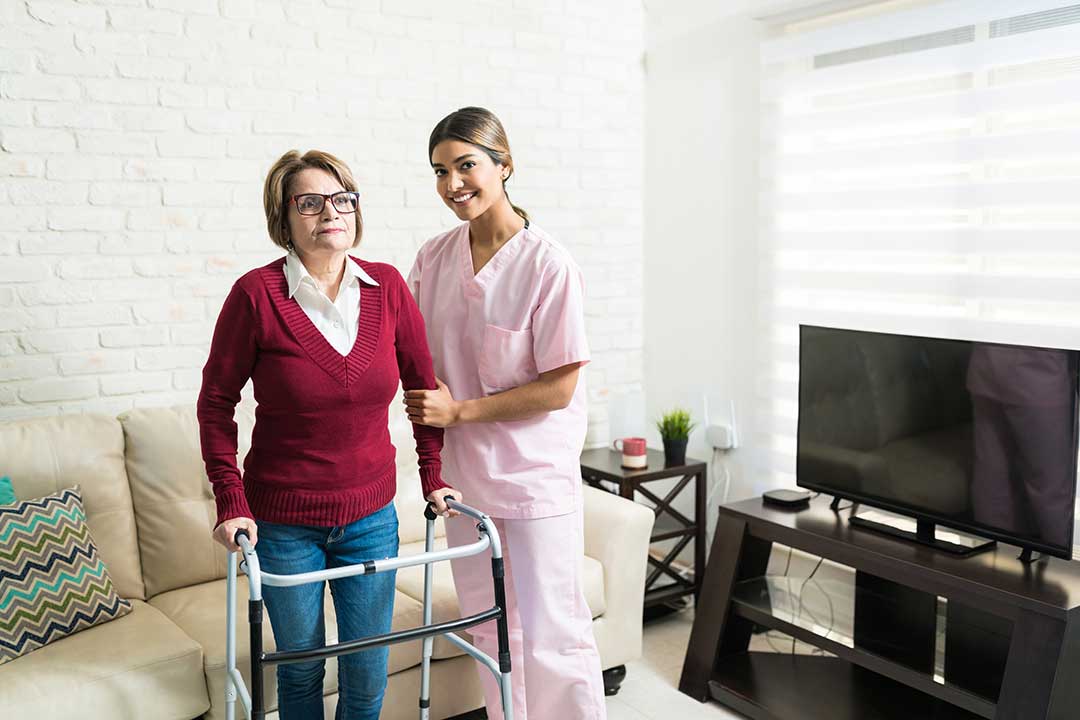
Why Do Falls Happen at Home?
Falls in the home are often caused by a combination of environmental hazards and changes in mobility, strength, or vision that come with aging. In Cheektowaga, NY, where many homes are older and winter conditions create unique hazards, paying attention to common causes is essential. Factors such as poor lighting, cluttered walkways, slippery surfaces, and physical health conditions all contribute to falls, especially among older adults.
What Areas of the Home Pose the Greatest Fall Risks?
Certain parts of a typical Cheektowaga home are more likely to cause falls, particularly for seniors or anyone with limited mobility. Bathrooms and kitchens are slippery when wet, while stairs and entryways can be hazardous during snowy or icy months. High-traffic areas cluttered with rugs or cords present year-round dangers.
Short answer: Stairs, bathrooms, kitchens, hallways, and entryways are often trouble spots, especially during icy winters.
More detail:
- Bathrooms: Wet floors, low toilet seats, and bathtubs without grab bars.
- Stairs: Poor lighting, loose railings, and items left on steps.
- Kitchens: Spills, rugs, and hard-to-reach cabinets.
- Hallways and entryways: Shoes, bags, and coats that block paths, and wet floors from snowy boots.
How Can Lighting and Visibility Be Improved?
A well-lit environment is a crucial defense against falls, especially in homes with fewer windows or older electrical systems, which are common in Cheektowaga.
Quick tip: Ensure all frequently used areas have adequate lighting, and use nightlights in bedrooms, hallways, and bathrooms.
Further advice:
- Replace any dim or burnt-out bulbs, choosing bright LEDs for clarity.
- Place lamps near beds and seating areas for easy access.
- Consider motion-sensor lights for stairs and entryways, useful during dark winter months.
- Make sure light switches are easy to reach at room entrances.
What Modifications Help Prevent Slips and Trips?
Making small changes to the home environment often yields the greatest reduction in falls. Most fixes are simple and affordable.
Highlights: Secure or remove trip hazards and install aids where needed.
practical examples:
- Pick up clutter, shoes, pet toys, and electrical cords from the floor.
- Repair loose rugs by adding non-slip backing or remove them if necessary.
- Apply non-slip mats in bathtubs and on shower floors.
- Fix uneven walkways, loose steps, or broken tiles right away.
- Use handrails on both sides of stairs indoors and outdoors, especially with icy weather.
- Add grab bars to showers and beside toilets.
Are Footwear and Clothing Choices Important?
Yes, they can make a significant difference. In Cheektowaga, where ice and snow linger on entryways half the year, wearing proper footwear inside and outside is practical safety.
Key guidelines:
- Choose well-fitting, low-heeled shoes with non-slip soles.
- Avoid walking in socks, stocking feet, or loose slippers on hard floors.
- During winter, wipe shoes and boots after coming inside to avoid wet and slippery surfaces.
- Avoid baggy pants or long robes that drag and could be stepped on.
How Does Muscle Strength and Balance Impact Fall Risk?
Reduced strength, flexibility, or balance can make it more likely to trip or be unable to recover after a stumble. Local residents benefit by staying active year-round, with indoor routines in winter when sidewalks are icy.
Direct answer: Stronger muscles and better balance lower the chance of falling, especially in homes where physical activity might be limited by weather.
Suggestions:
- Walk inside malls or community spaces for exercise during icy months.
- Gentle home exercises, such as chair yoga, leg lifts, or balancing on one foot near a sturdy surface, help keep muscles active.
- Regular stretches maintain flexibility even when outdoor time is limited.
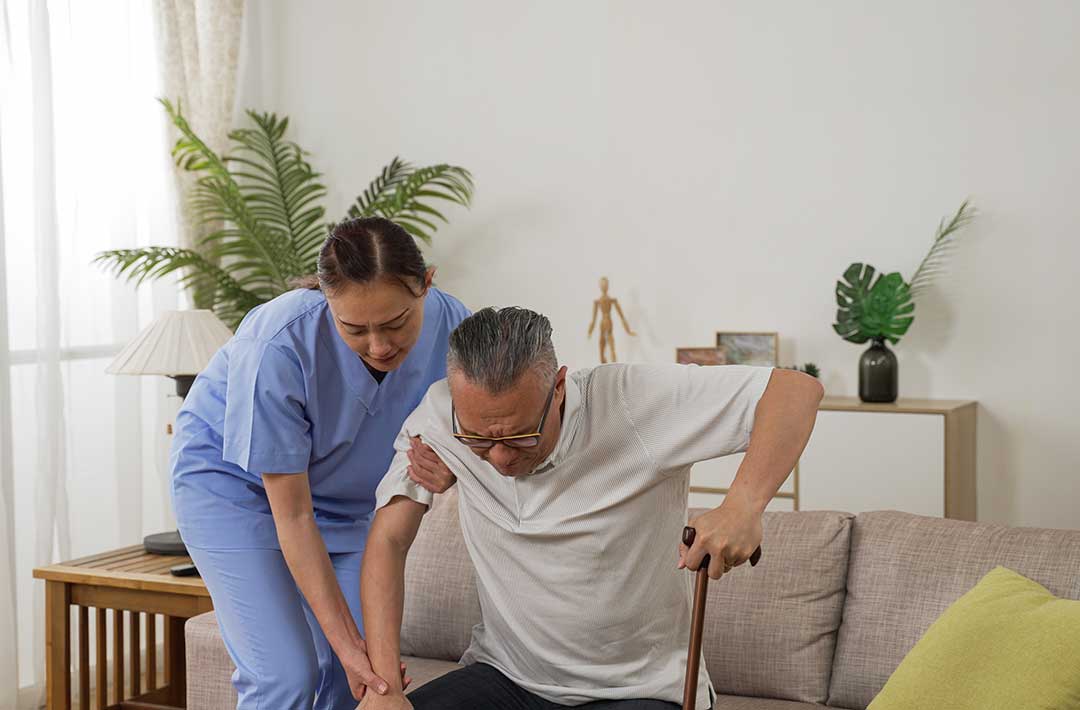
What Outdoor Considerations Should Cheektowaga Residents Know?
Winters in Cheektowaga mean frequent ice and snow, adding risks at entryways, driveways, and on porches. Advice for local conditions:
- Keep outdoor steps and walks clear of snow and ice.
- Use sand or pet-safe salt on driveways and porches to add traction.
- Adjust or install sturdy handrails on exterior steps.
- Place slip-resistant mats right inside entry doors to absorb moisture.
How Can Medications and Health Conditions Affect Falls?
Certain medications and health issues can increase dizziness, drowsiness, or slow movement. It’s not always obvious what side effects might combine to raise the risk. Clarification: Medications for blood pressure, sleep, or pain sometimes affect balance. Chronic conditions like arthritis, diabetes, or vision problems can reduce awareness of environmental hazards. Local residents should:
- Review medication lists with a healthcare provider, especially if there’s any history of falls.
- Get regular vision and hearing checks, adjusting lighting or household setup when necessary.
- If dizziness or unsteadiness is new, consult a healthcare professional promptly.
What If Someone Lives Alone in the City?
Seniors or others living alone in Cheektowaga can take extra steps for safety: Quick ideas:
- Carry a cordless phone or cell phone from room to room.
- Consider checking in daily with a trusted neighbor or family member.
- Use simple alert devices for emergencies, especially in winter when snow might delay assistance.
Are There Common Fall Prevention Myths?
Several myths persist, even among lifelong residents. Some misconceptions:
- “Falls just happen with age.” Falls are not inevitable and most can be prevented with practical changes.
- “A tidy home is a safe home.” While neatness helps, hazards like loose rugs or poor lighting still need to be fixed.
- “Only people with health problems fall.” Even healthy, active individuals can trip if paths are blocked or floors are wet.