Why Do Many Residents in Cheektowaga, NY Seek Senior Home Safety Tips?
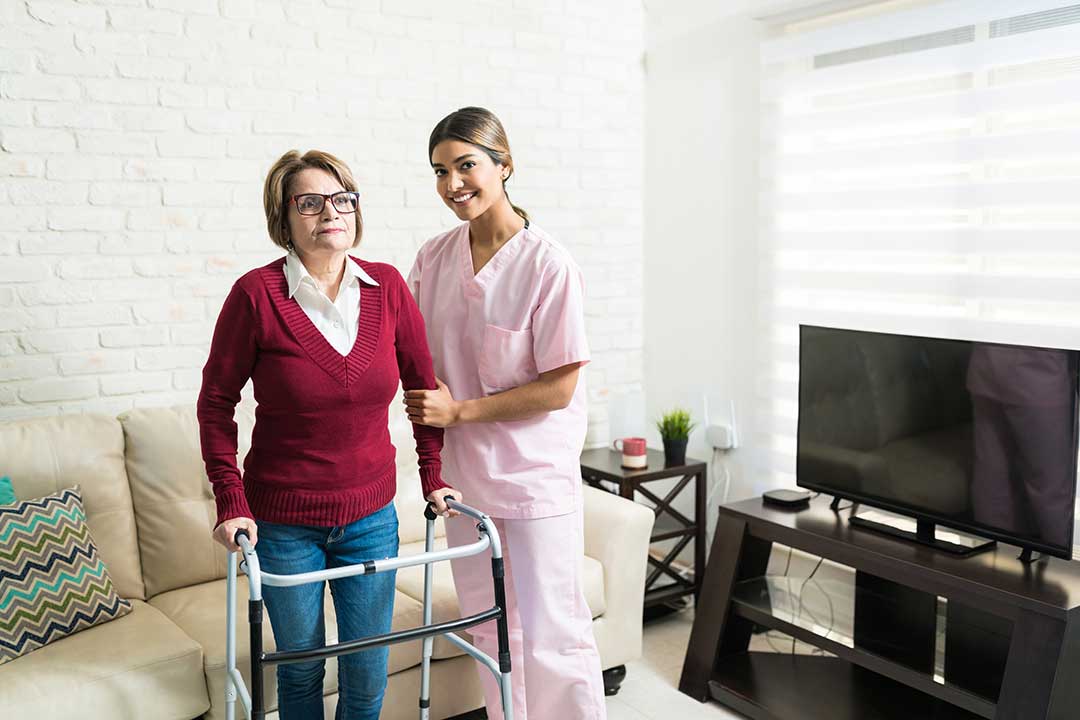
Seniors in Cheektowaga often prefer to remain in their own homes as they age. With the city’s mix of residential neighborhoods, winter weather, and many multi-level houses, local homes can present distinct safety concerns for older adults. Families and caregivers regularly look for reliable, practical solutions that help reduce injuries and support independence.
What Are the Main Hazards Inside the Home?
Falls are the most reported cause of injury for older adults. Everyday features—such as stairs, narrow hallways, and clutter—can increase the risk. In Cheektowaga, seasonal factors like slippery entrances during winter create additional safety challenges. Residents often overlook these hazards:
- Loose throw rugs that can bunch up or slide
- Poor lighting in hallways and staircases
- Electrical cords crossing walkways
- Hard-to-reach cabinets or shelves
- Low toilet seats and steep bathtub entries
Identifying these risks in advance helps families make targeted changes instead of broad, expensive renovations.
How Can Lighting Help Prevent Accidents?
Good lighting—especially in entryways, stairwells, and hallways—reduces the chance of falls. Many Cheektowaga homes have older-style fixtures or rely on single overhead bulbs, which may not supply enough light for those with aging eyesight.
- Replace bulbs with higher-lumen, warm-toned LEDs for clarity without glare
- Use motion-sensor nightlights in bathrooms and bedrooms
- Place lamps or wall-mounted lights at the top and bottom of staircases
These straightforward adjustments ensure visibility for midnight bathroom trips or when navigating during evening hours.
Which Flooring Changes Reduce Fall Risks?
Slippery floors can be a significant issue during Western New York’s wet or snowy months. Area homes with hardwood, tile, or linoleum can be made safer:
- Remove or secure loose rugs with non-slip pads
- Use high-traction mats in bathrooms and kitchens
- Wipe up spills quickly, especially near entrances where snow and ice can be tracked in
If using walkers or canes, avoid thick carpeting or thresholds that can cause tripping. If floors become uneven over time—common in older homes—use gentle slope transitions or talk to a building inspector for advice about repairs.
What Should Be Checked in Bathrooms?
Bathrooms often have slippery surfaces, tight layouts, and high tub walls. Seniors in Cheektowaga often benefit from a few specific upgrades:
- Install grab bars near the toilet and inside/outside the tub or shower
- Use a shower chair or non-slip rubber mat
- Raise the toilet seat with a plastic riser if it’s too low
- Adjust water heater settings to 120°F or lower to prevent scalding, especially if pipes run cold during local winters
These changes can often be made without remodeling but make everyday routines much safer.
Are Stairs Always a Problem for Seniors?
While stairs can pose major risks, especially in two-story homes or houses with basement laundry, modifying usage reduces the hazard. Local residents often:
- Install sturdy handrails on both sides of main staircases
- Mark the edge of each step with contrasting, non-slip tape
- Clear steps of clutter (like shoes, baskets, or bags)
- Check for loose steps annually, which is especially important in homes that settle after harsh winter freeze-thaw cycles
Main-floor living is sometimes preferred, but not always possible in Cheektowaga’s existing homes. Making stairs safer helps bridge that gap.
How Can Organization Make the Home Safer for Seniors?
Simple organization plays a big role in reducing injuries:
- Arrange kitchen and pantry items within easy reach to avoid using step stools
- Store heavier or less-used items lower down, preventing dangerous overhead lifting
- Keep hallways and floors clear of laundry baskets or extension cords
Annual “spring clean” days—common in the community—provide a good opportunity to reassess and re-organize spaces with changing needs in mind.
What About Emergency Preparedness for Seniors?
Emergency readiness is often overlooked but especially important for those living alone. In Cheektowaga, where winter storms and power outages are a concern:
- Ensure corded phones (not just cellular) for power-out situations
- Place emergency numbers—not just 911—next to every phone (including for local fire, non-emergency police, and a trusted neighbor)
- Use alert systems if mobility is compromised
- Maintain clear, de-iced pathways outdoors for emergency services access
Smoke and carbon monoxide detectors should be checked twice a year, and batteries changed as part of any seasonal home safety check.
Are There Community Supports for Safer Aging at Home?
While many changes can be made independently, the area offers some additional resources for older adults wanting to age in place safely:
- Public libraries often distribute printed home safety checklists
- Cheektowaga town offices and senior centers sometimes host free talks or distribute guidance from local public safety officials
- Some utility companies run programs to help with simple home modifications for those with documented medical needs
Engaging with these resources helps residents stay aware of seasonal risks—like icy walkways—and access trustworthy information suited for local conditions.