What Immediate Actions Should Families Take?
The first days after a loved one in Cheektowaga, NY receives a dementia diagnosis can be confusing and emotional. It's natural to feel overwhelmed, but some initial steps can help everyone adjust.
- Allow everyone, including the diagnosed senior, space to process the news.
- Open communication within the household is helpful. Share feelings honestly while respecting the individual’s privacy and dignity.
- Write down any questions that come up right away. These can be discussed at the next medical appointment.
Practical tasks such as gathering medical records, medication lists, and documenting any recent changes in behavior or memory are also useful at this stage. Keeping a written log can help the care team in future visits.
How Can You Learn More About Dementia?
Understanding dementia is crucial for informed decisions. Reliable sources such as public library resources in Cheektowaga and health association websites offer trustworthy information.
Look for resources that explain:
- The different types and stages of dementia
- Typical symptoms and behaviors
- Practical caregiving advice
Talk to the diagnosing physician about educational pamphlets or recommended readings. Clear up any misunderstandings, as not all memory loss is the same, and expectations may need to be adjusted as the condition progresses.
What Health and Safety Steps Should Be Considered at Home?
Ensuring safety is an ongoing process, especially for those living in typical single-family homes or apartments common in Cheektowaga. Start by evaluating daily routines, physical abilities, and the home environment.
Key areas to review include:
- Kitchen safety: Remove hazards such as sharp knives, cleaning chemicals, or unused appliances.
- Bathroom modifications: Install grab bars and consider non-slip mats.
- Door security: Consider locks or alert systems for exterior doors to reduce wandering risk, particularly with cold winters and variable weather in the region.
Keep emergency contact information visibly posted. Store essential items, like winter outerwear, in familiar, accessible places; this is important for a city with snowy months and seasonal transitions.
Should Driving Be Addressed After a Dementia Diagnosis?
Driving safety is a significant concern in the city, where independent travel is common. A medical professional determines whether a person with dementia can safely continue driving. Early in the diagnosis, some individuals may still drive, but close monitoring is needed.
Signs that driving may no longer be safe include:
- Getting lost on familiar streets
- Hesitation at intersections
- Close calls or scrapes
Family discussions about stopping driving are usually difficult but necessary. Review local public transit options and plan alternatives together, as Cheektowaga has bus services suitable for seniors. Consider carpooling with neighbors or using local community transportation for older adults.
What Legal and Financial Plans Should Be Made?
Soon after diagnosis, it’s wise to update or create important legal documents while the person can express their wishes. This includes wills, power of attorney, health care proxies, and advance directives. Local legal aid offices can provide guidance on these matters.
Key points include:
- Discussing long-term care wishes
- Organizing financial accounts and bills
- Identifying someone to act on the senior’s behalf if decision-making becomes difficult
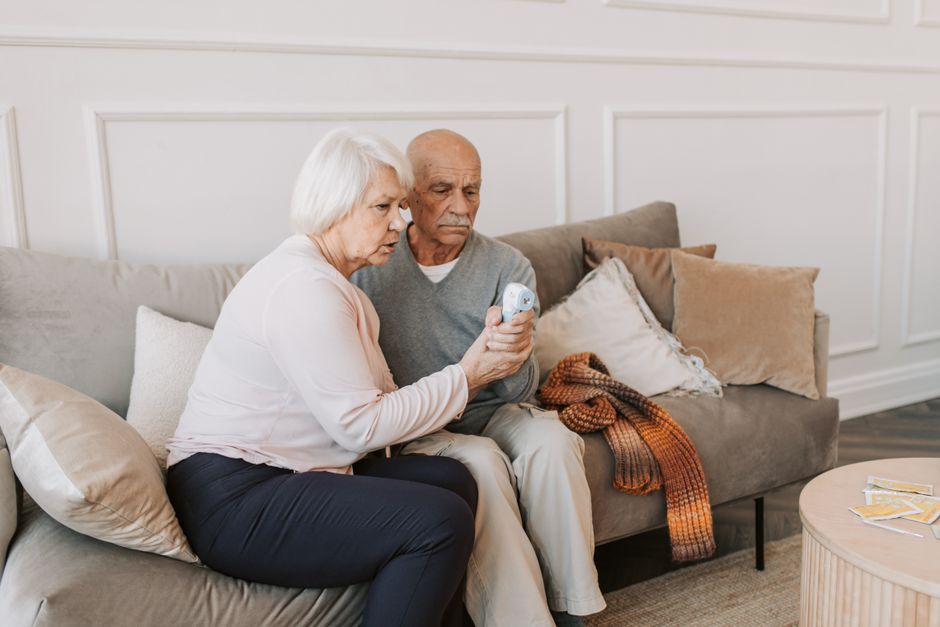
Discussions about these topics can be emotional. Involving the diagnosed person in the conversation, along with trusted family members, helps ensure their choices are honored.
How Do You Maintain Quality of Life After Diagnosis?
A dementia diagnosis doesn’t mean a person cannot enjoy daily life. Cheektowaga offers parks, libraries, and community centers that can be welcoming environments for seniors. Consider these quality-of-life approaches:
- Maintain social connections with family and friends to limit isolation
- Support participation in familiar hobbies, such as gardening or crafting
- Use memory aids like calendars, notes, or labeled cabinets
- Plan meaningful activities based on the person’s interests and stage of dementia
Small changes, such as regular walks in neighborhood parks or reading sessions at the local library, help provide structure and fulfillment.
Where Can Families in Cheektowaga Find Support?
Support for caregivers and those living with dementia exists at several levels. Start by talking to the primary care doctor for information about available medical and social resources. Common sources of support include:
- In-person or virtual support groups for caregivers
- Local senior centers that offer programming or respite opportunities
- Neighbor networks that provide occasional help, such as meal delivery or winter snow shoveling
It’s typical for caregivers to feel stressed or isolated. Reaching out for emotional support helps sustain everyone’s wellbeing over time.
What Should You Watch for as Dementia Progresses?
Dementia follows a unique course for each person. Families should watch for changes in behavior, mobility, or communication. Notable shifts—such as new confusion, withdrawal, or trouble eating—may signal a need to review care plans or living arrangements. Regular medical follow-ups track progress and help update recommendations as conditions change. Bringing notes about new symptoms or challenges allows for better-tailored support.
Staying flexible and open to adjustments, from winter preparedness to medication routines, helps area households manage the evolving needs of someone living with dementia.