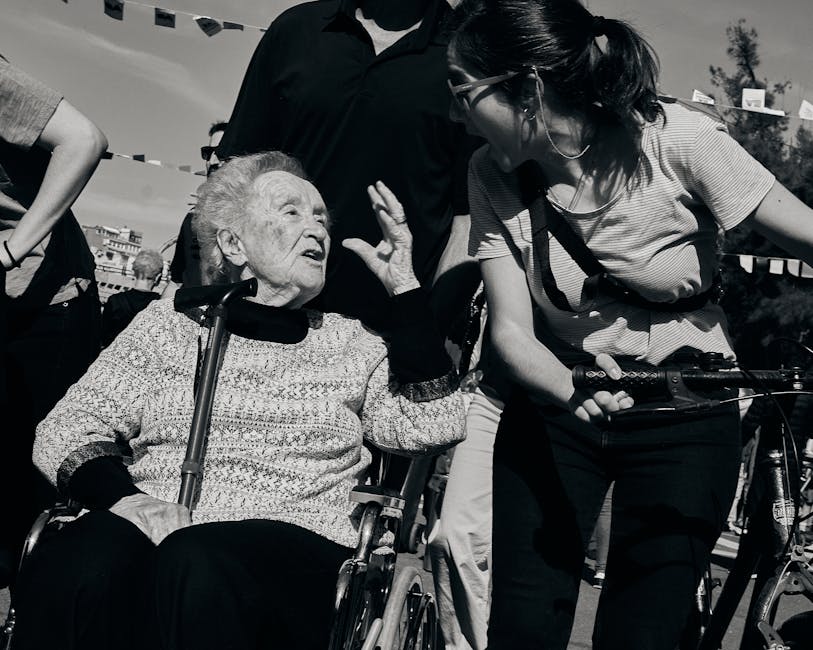
As our loved ones age, it’s only natural to want them to remain safe, healthy, and independent for as long as possible. In Cheektowaga, NY—a community known for its family-friendly atmosphere, long winters, and close-knit neighborhoods—it can often be challenging to recognize when aging parents might need extra help. Whether they’re living in classic ranch-style homes near Stiglmeier Park or quieter apartments close to the Walden Galleria, Cheektowaga seniors face unique local challenges. Here’s how to spot the warning signs that your parent may need additional care or assistance to stay happy and healthy at home.
Signs Physical Health Is Declining
With Cheektowaga’s fluctuating weather—icy winters and sometimes hot, humid summers—physical challenges can become especially dangerous.
- Frequent Falls or Balance Issues: Have you noticed unexplained bruises or minor injuries? Seniors might downplay slips, but repeated incidents are a red flag.
- Neglected Personal Hygiene: If a parent skips regular bathing or always looks disheveled, it may suggest they’re struggling with daily self-care.
- Unintentional Weight Loss: Rapid or unexplained weight changes may signal difficulty preparing meals or underlying health issues.
- Trouble Moving Around the Home: In older bungalows or two-story houses common in Cheektowaga, difficulty climbing stairs or getting up from favorite recliners might be more noticeable.
Cognitive Changes and Memory Lapses
It’s not uncommon for aging parents to have occasional forgetfulness, but when memory problems become persistent, there may be cause for concern.
- Missed Appointments or Medication Errors: Cheektowaga offers great access to local medical clinics and in-home pharmacy delivery, but is mom missing doctor visits or forgetting to take her pills?
- Getting Lost on Familiar Routes: If a parent confuses routes to places like Wegmans or Stiglmeier Park, this is more than simple forgetfulness—it could signal serious cognitive issues.
- Repeating Questions or Stories: Asking the same things repeatedly or retelling favorite Buffalo Bills memories within short periods indicates declining memory.
Social Isolation or Withdrawing from the Cheektowaga Community
Cheektowaga residents are famously social—enjoying local events, church groups, and outings with friends. If seniors start avoiding these activities, it’s a sign they may need extra support.
- Declining Invitations: Notice if they’ve stopped showing up to regular coffee mornings at Dash’s Market, worship services, or senior center outings.
- No Longer Pursuing Hobbies: Whether it’s skipping card games at the Cheektowaga Senior Center or missing favorite bowling league nights, withdrawal can suggest depression or health challenges.
Home and Property Neglect
Cheektowaga’s housing stock often includes lovingly maintained older homes, but upkeep can become a major hurdle.
- Unkempt Yard or House: Accumulating piles of mail, dirty dishes, or messy carpets are warning signs. In winter, snowy, unshoveled walkways can indicate they’re struggling.
- Broken Appliances or Unpaid Bills: Look for burnt-out lightbulbs, nonworking stoves, or stacks of unpaid utility bills—these can all mean your parent is overwhelmed.
Changes in Mood or Behavior
Sometimes, the most telling clues are non-physical.
- Unusual Irritability or Sadness: If your once-cheerful parent becomes withdrawn or quick to anger, especially during the isolating Cheektowaga winter months, this might signal depression or anxiety.
- Paranoia or Suspicion: Seniors sometimes develop irrational fears, like believing neighbors are stealing mail or that family is hiding things.
Lack of Transportation or Errands Left Unfinished
Even with NFTA Metro Bus access in Cheektowaga, many seniors rely on their own cars.
- Dings or Scrapes on the Car: Unexplained minor accidents can mean vision or cognitive decline.
- Running Out of Necessities: If pantry staples are missing or trash piles up, they may be struggling to shop or take care of basic needs.
What to Do Next in Cheektowaga
If you notice any combination of these signs, start with an open conversation. Let your parent know your concern comes from a place of love and respect for their independence. Next, consider these steps:
- Reach Out for Local Support: Cheektowaga offers valuable resources like Meals on Wheels, the Department of Senior Services, and local faith organizations. Don’t hesitate to reach out.
- Arrange a Safety Assessment: Local agencies or in-home care professionals can evaluate the home for safety hazards—particularly important given Upstate New York’s icy conditions and older housing.
- Encourage Social Engagement: With options ranging from community events to group activities at the Cheektowaga Senior Center, encourage continued social participation.
- Consider In-Home Help: Many families eventually find part-time or full-time in-home care brings peace of mind.
Cheektowaga’s Culture of Care
Cheektowaga’s Polish-American roots and community-first spirit mean families are often eager to help each other, but knowing when and how to intervene is crucial. Don’t wait until a health emergency happens before beginning these conversations or seeking extra support.
Recognizing the signs that your parent needs a little more help is one of the most caring acts you can offer—and the sooner you take small steps, the smoother the transition will be for everyone. In Cheektowaga, with its strong support networks, trusted neighbors, and local care professionals, your parent can remain healthy, safe, and connected to the community they love.
About the Author
Senior Care Expert in Cheektowaga
Todd Putzig brings over 20 years of experience in senior care, driven by a deep commitment to helping older adults live with dignity and independence. Known for his compassionate leadership and hands-on approach, Todd takes pride in building meaningful relationships with the families he serves.